Why Do My Back Teeth Hurt? Decode the Mystery & Find Relief
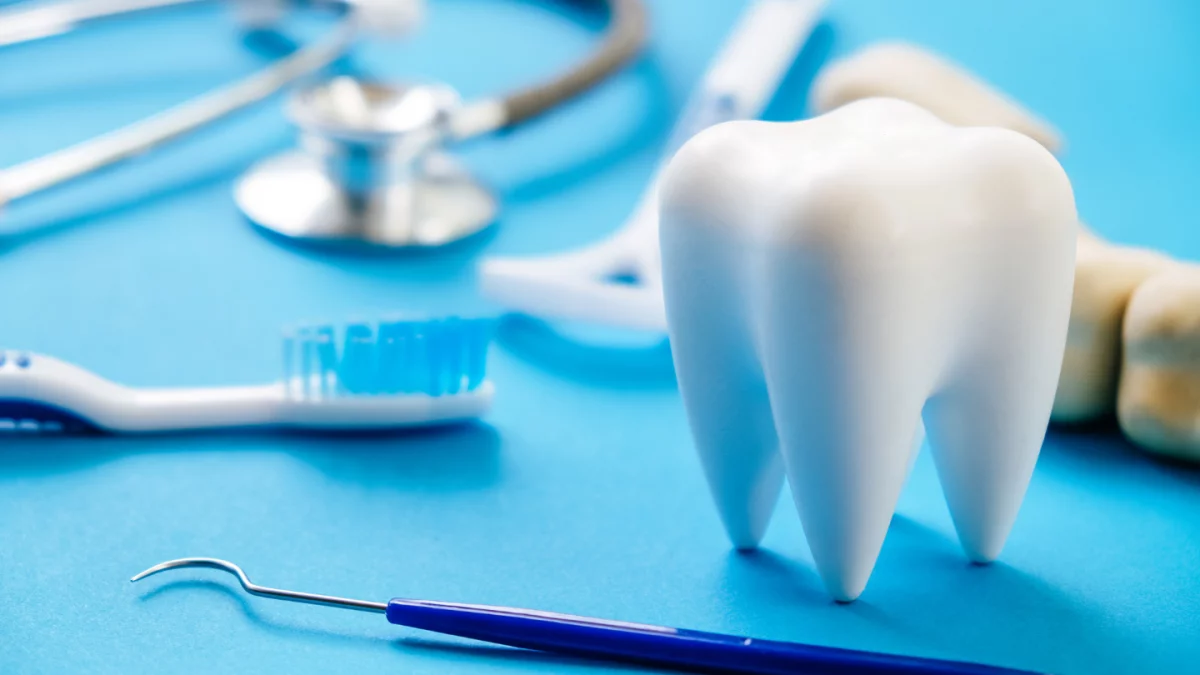 That dull ache or sharp stab in your back teeth isn't just annoying; it's your mouth trying to tell you something crucial.Ignoring these signals can lead to bigger problems down the line, but understanding what's really going on back there is the first step towards lasting relief and a healthier smile.
👉 Discover the Simple Morning Habit That Helps Strengthen Teeth and Revitalize Gums Naturally
Unraveling the Mystery: Why Your Back Teeth Hurt
That nagging discomfort or sharp jolt in your back teeth is more than just an annoyance; it's a vital signal from your body. When you find yourself asking, 'why do my back teeth hurt,' it’s crucial to understand that the nature of the pain itself can offer significant clues about its origin. Ignoring these signals can lead to more serious issues, so paying attention is the first step toward relief.
The specific sensation you feel can tell a dentist a lot. Is it a sharp, sudden pain when you bite down or drink something cold? This might point to exposed dentin or a crack. Perhaps it's a dull, constant ache that lingers, suggesting inflammation or even an infection deep within the tooth. A throbbing pain, especially if accompanied by swelling, often indicates a more serious infection or abscess that requires immediate attention.
Sometimes the pain is intermittent, coming and going without a clear pattern, which could be related to grinding your teeth (bruxism) or a minor sensitivity. Other times, it's constant and unbearable, signaling a severe underlying problem. Each type of pain acts as a unique messenger, guiding both you and your dental professional toward the root cause. Understanding these initial signals sets the stage for accurately diagnosing and effectively treating whatever is making your back teeth hurt.
Common Culprits Behind Back Tooth Pain
When your back teeth start aching, it's a clear signal your oral health needs attention. Understanding why do my back teeth hurt often points to one of several common dental issues. Pinpointing the problem helps guide effective treatment and brings much-needed relief.
Here are the most frequent causes of discomfort in your molars:
- Dental Caries (Cavities): These are tiny holes caused by bacteria eating away at enamel. Left untreated, they reach deeper nerves, causing pain, especially with hot, cold, or sweet foods.
- Gum Disease: Both gingivitis and more severe periodontitis can cause inflammation and pain around molars. Swollen, bleeding gums often indicate an issue that needs professional cleaning to prevent further damage.
- Cracked or Fractured Teeth: Even microscopic cracks can expose sensitive inner layers. This often leads to sharp, sudden pain when chewing or biting, sometimes originating from old fillings that have weakened the tooth structure.
- Dental Abscesses: This is a serious infection where pus collects at the tooth root. It results in severe, throbbing pain, often accompanied by facial swelling, fever, and extreme sensitivity to touch or pressure.
- Tooth Sensitivity: Worn enamel or receding gums expose the dentin, leading to sharp, fleeting pain from temperature changes or certain foods. Back teeth are particularly prone to this common complaint.
- Bruxism (Teeth Grinding): Involuntary clenching or grinding, especially at night, puts immense pressure on back teeth. This can cause a dull ache, wear down enamel, and lead to jaw pain and headaches.
- Impacted Wisdom Teeth: When these molars don't have enough space to erupt properly, they can cause significant pressure, pain, and even infection in the back of your mouth, requiring dental intervention.
Beyond the Tooth: Referred Pain & Other Factors
Sometimes, the sharp or persistent ache in your back teeth isn't a dental problem at all. This phenomenon is known as referred pain, where discomfort originating in one area of the body is felt in another. Understanding these less obvious culprits is crucial because treating the tooth won't fix the underlying issue. It's like your body's alarm system is pointing to the wrong window!
One common source of referred pain is Temporomandibular Joint (TMJ) disorders. Your TMJ connects your jawbone to your skull, and problems with it can cause pain that radiates into your molars, especially when chewing or opening your mouth wide. This pain can also manifest as headaches or clicking sounds.
Another frequent non-dental cause is sinus infections, particularly maxillary sinusitis. Your upper back teeth roots are very close to your maxillary sinuses. When these sinuses become inflamed or infected, the pressure and discomfort can easily be mistaken for a toothache. The pain often worsens when you bend over.
Less commonly, but still possible, ear infections can refer pain to the back teeth and jaw area. Nerve-related conditions, such as trigeminal neuralgia, also cause intense, sudden, and severe facial pain that can feel like it's stemming directly from your teeth. Recognizing these alternative possibilities is key to getting the correct diagnosis and effective treatment, ensuring you don't undergo unnecessary dental work.
When to See a Dentist: Recognizing Warning Signs
That persistent ache or sharp jolt in your back teeth might feel like a minor inconvenience, but it's often your body's way of signaling a more serious problem. While some minor discomfort can resolve on its own, certain symptoms demand immediate professional dental attention. Ignoring these warning signs can lead to worsened conditions, more complex treatments, and prolonged suffering. Knowing when to act is crucial for protecting your oral health.
Don't wait for the pain to become unbearable. If you're wondering 'why do my back teeth hurt' and experiencing any of the following, it's time to schedule a dentist appointment without delay:
- Persistent or Severe Pain: Pain that lasts for more than a day or two, especially if it's sharp, throbbing, or intense, is a clear indicator that something is wrong. Over-the-counter pain relievers might offer temporary relief, but they won't address the underlying cause.
- Swelling in the Face or Gums: Swelling is a common sign of infection or inflammation. If you notice any puffiness around your affected back tooth, jaw, or even in your face, it could indicate an abscess or other serious infection that requires urgent treatment.
- Fever: A fever accompanied by dental pain often points to a widespread infection. This is a systemic symptom that signals your body is fighting off a significant issue, potentially an abscess that has spread.
- Difficulty Chewing or Opening Your Mouth: If chewing food on the affected side becomes painful, or if you struggle to open your mouth fully, it could be due to severe inflammation, infection, or even a problem with your jaw joint (TMJ) exacerbated by the tooth issue.
- Pain Unresponsive to Over-the-Counter Medication: When standard pain relievers like ibuprofen or acetaminophen fail to significantly alleviate your back tooth pain, it suggests a problem that requires more than just symptom management. This usually points to a deeper issue needing professional intervention.
Timely diagnosis is paramount. Attempting to self-diagnose or relying solely on home remedies for these critical symptoms can delay proper treatment, allowing conditions to worsen and potentially leading to more severe health complications. Your dentist can accurately identify the source of your back tooth pain and provide the necessary care.
Diagnosis and Treatment for Back Tooth Pain
When you ask yourself, 'why do my back teeth hurt,' getting an accurate diagnosis is the critical first step toward lasting relief. Self-treating or ignoring the pain can lead to more serious complications. A dental professional uses a combination of techniques to pinpoint the exact cause of your discomfort, ensuring the treatment is effective and appropriate.
The Diagnostic Journey
Your dentist won't guess what's causing your back tooth pain. They'll conduct a thorough examination, often starting with a clinical inspection of your mouth and teeth. This is usually followed by X-rays, which reveal hidden issues like cavities between teeth, bone loss, or problems with tooth roots. They might perform vitality tests (cold or electric pulp tests) to check the nerve's health and bite tests to identify cracks or sensitivity to pressure. These steps help differentiate between a simple sensitivity and a deep-seated problem, like an abscess, which often explains why your back teeth hurt so intensely.
Tailored Treatment Options
Once the cause is identified, your dentist will recommend a specific treatment. If cavities are present, fillings will restore the tooth. For deeper decay or infection, a root canal therapy can save the tooth by removing the infected pulp. In severe cases where a tooth cannot be saved, extractions may be necessary. Gum disease affecting your molars might require gum treatments like scaling and root planing. If bruxism (teeth grinding) is the culprit, a custom night guard or splint can protect your teeth. Infections might be treated with antibiotics. For pain originating outside the dental realm (like sinus issues), you'll be referred to a specialist for comprehensive care. Each treatment is chosen to directly address why your back teeth hurt, aiming for long-term oral health.
Preventing Future Pain: A Holistic Approach to Oral Health
To truly banish back teeth pain, prevention is paramount. It’s not just about fixing current issues, but adopting a comprehensive strategy for lasting oral health. This holistic approach combines daily habits with professional care, significantly reducing recurrence risk and ensuring your molars stay strong and pain-free.
Your daily oral hygiene is your first line of defense. Proper brushing and flossing techniques are non-negotiable. Brush for at least two minutes, twice daily, with a soft-bristle toothbrush, focusing on back teeth. Daily flossing removes plaque and food particles, preventing cavities and gum disease. Consistency here makes a huge difference.
Beyond daily efforts, regular dental check-ups and cleanings are vital. Your dentist can spot tiny cavities or early gum inflammation before they become painful. For enhanced protection, discuss fluoride treatments and sealants. Fluoride strengthens enamel, while sealants create a barrier on molar chewing surfaces, shielding them from bacteria and debris.
What you consume also matters. Diet and lifestyle adjustments are crucial. Reduce sugary foods and drinks, which fuel cavity-causing bacteria. Avoid hard foods that can chip or crack teeth. If you grind or clench (bruxism), stress management and a custom night guard protect back molars from wear and pressure, preventing discomfort. Embrace these habits for enduring oral health.
Choosing the Right Products for Back Tooth Care
Navigating the vast array of dental products can be overwhelming, but selecting the right ones is crucial for managing and preventing future back tooth pain. Your daily oral hygiene routine is your first line of defense, and specialized products can make a significant difference, especially if you experience sensitivity or other issues. Aligning your product choices with your specific needs ensures optimal oral health.
Specialized Toothpastes and Mouthwashes
For those experiencing sensitivity in their back teeth, toothpastes for sensitive teeth are a game-changer. Look for active ingredients like potassium nitrate or stannous fluoride, which help block pain signals or strengthen enamel. These can significantly reduce discomfort when consuming hot, cold, or sweet foods.
Similarly, therapeutic mouthwashes can offer added protection. Some target gingivitis, helping to reduce inflammation and bacteria, while others contain fluoride to strengthen enamel and prevent cavities. Choose alcohol-free options to avoid drying out your mouth.
Advanced Brushing and Cleaning Tools
The foundation of good oral hygiene starts with your toothbrush. While manual toothbrushes are effective, many find electric toothbrushes superior for reaching tricky molars and providing a thorough clean. Opt for soft bristles regardless of type, to prevent enamel erosion and gum recession.
Don't forget the spaces between your teeth. Dental floss and interdental cleaners are essential for removing plaque and food particles that brushes can't reach, especially around your back teeth where issues often start. Water flossers can also be a great addition, particularly for those with braces or difficulty using traditional floss.
Ultimately, the best products for your back tooth care depend on your individual situation. Consulting your dentist or hygienist can provide personalized recommendations, ensuring you're using the most effective tools to keep your molars healthy and pain-free.
👉 ✨ A Soft, Natural Formula That Supports Gum and Tooth Health – See Why Everyone’s Talking About It
Final Thoughts
Understanding why your back teeth hurt is the first step to lasting relief. From cavities to referred pain, identifying the cause is crucial for effective treatment and preventing future discomfort.Don't ignore the signals your body sends. Prioritize your oral health with proper hygiene and regular dental visits. What's your top tip for a pain-free smile? Share your thoughts below!
👉 🔥 Want Healthier Teeth and Gums? Try This Easy At-Home Oral Care Secret
Comments
Post a Comment